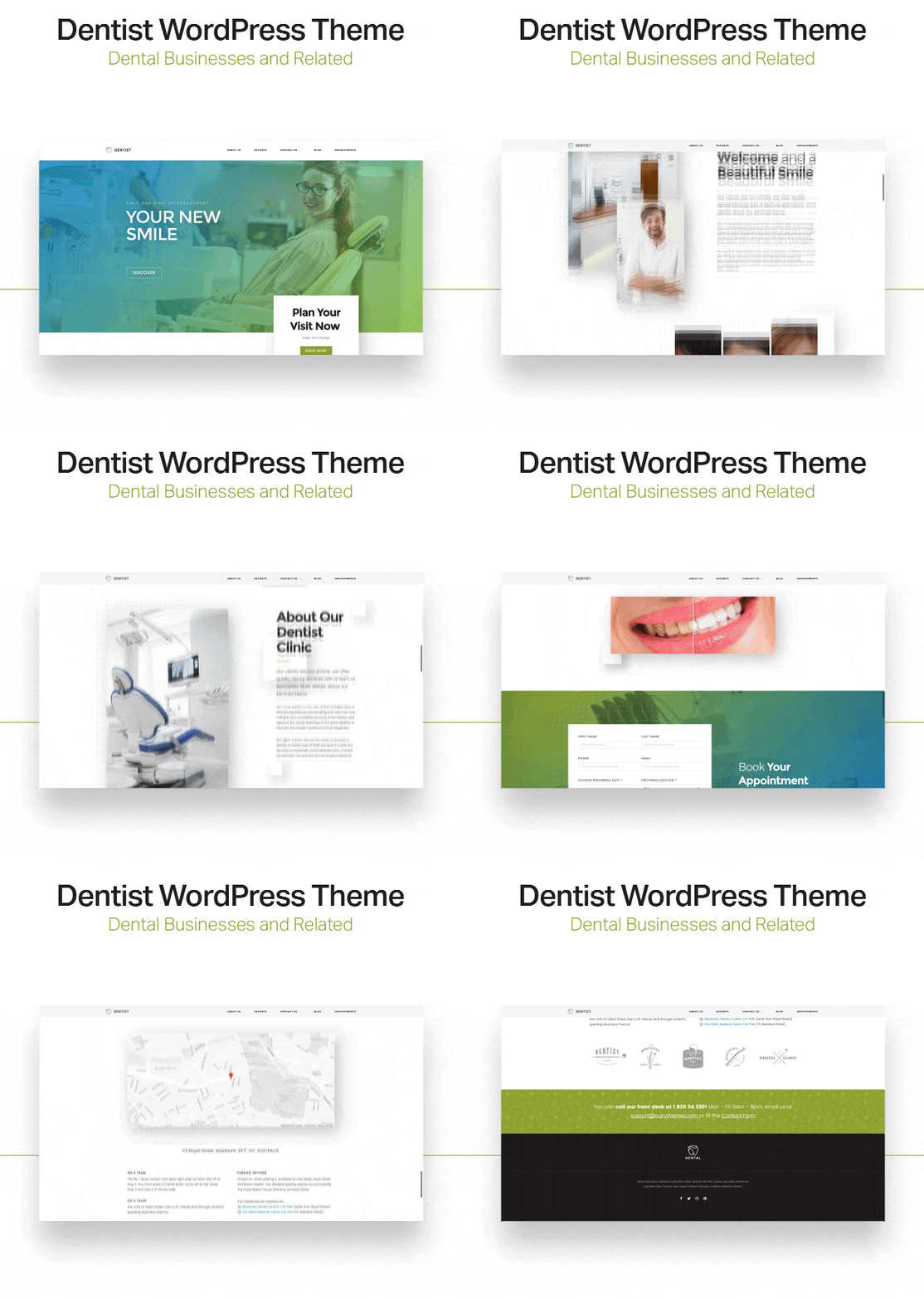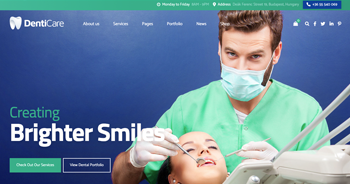
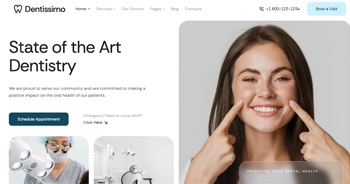

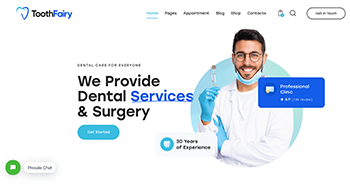
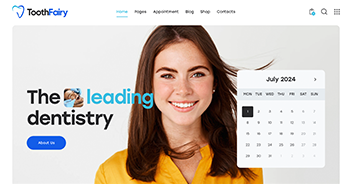
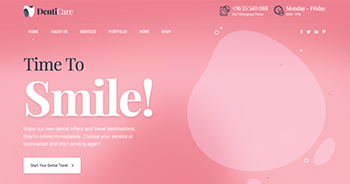

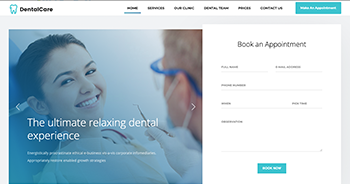

Creating a dental website design requires a balance of aesthetics, functionality, and user experience to attract and retain patients. The homepage should make a strong first impression, featuring high-quality images of the clinic, staff, and possibly happy patients. A clean, professional layout with a color scheme that conveys trust and calmness, such as blues and whites, is often effective. Additionally, clear navigation and easy access to essential information like contact details, services, and appointment scheduling are crucial to keep visitors engaged.
User-friendly navigation is a cornerstone of good dental website design. A well-organized menu structure helps users quickly find the information they need, reducing the likelihood of frustration and abandonment. Important sections like "About Us," "Services," "Patient Resources," and "Contact" should be easily accessible from the main navigation bar. Incorporating dropdown menus can also help in organizing subcategories, ensuring a seamless browsing experience.
Mobile responsiveness is another critical aspect of modern dental website design. With an increasing number of users accessing websites through smartphones and tablets, it's essential that the website adapts seamlessly to different screen sizes. A responsive design ensures that all elements, including text, images, and buttons, are easily viewable and clickable on smaller devices. This enhances the user experience and can significantly impact the site's SEO rankings, as search engines prioritize mobile-friendly websites.